Understanding durable roofing materials many homeowners consider for long term protection
Most roofs don’t fail suddenly. They age quietly. One year everything looks normal. Next year a shingle lifts after a storm. Maybe water marks appear near the attic insulation. Nothing dramatic yet, but enough to make a homeowner pause and start checking roofing options.
That’s usually the moment curiosity begins. People read comparisons, watch contractor videos, scroll through roofing discussions. Somewhere in that process they end up trying to learn more about metal roofing systems because those roofs keep coming up whenever durability is mentioned.
Not always because they planned to install one. Sometimes it is just part of the research spiral.
Aluminum steel copper and other options explained simply
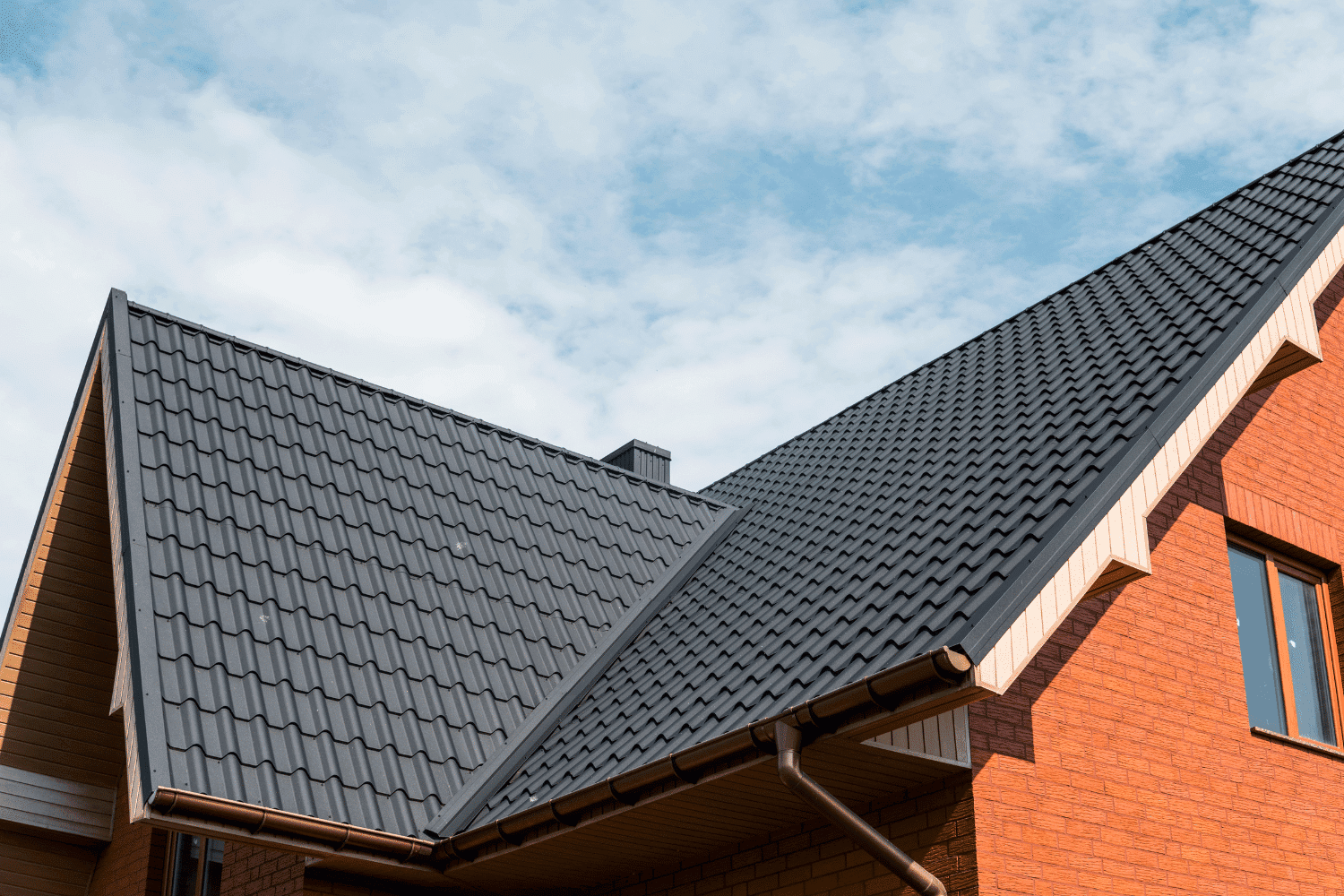
From the ground, most metal roofs look fairly similar. But the materials behind them perform differently.
| Metal Type | Interesting Trait | Why Some Homeowners Choose It |
| Steel | Very strong structure | Common residential option |
| Aluminum | Naturally resists corrosion | Moist or coastal environments |
| Copper | Extremely long lifespan | Distinct appearance |
| Zinc | Forms a protective outer layer | Architectural roofing projects |
Sometimes the decision is purely practical. Other times homeowners care about how the roof will look after ten or twenty years.
And occasionally the contractor simply recommends what works best for that particular structure.

How weather resistance changes roof performance over time
Weather slowly reshapes every roofing material. Sun exposure dries surfaces. Wind pressure loosens weaker sections. Freeze and thaw cycles create expansion that materials must tolerate.
Metal roofing tends to handle these stresses differently because the panels remain structurally stable longer than many layered roofing systems.
That said, installation quality matters more than people expect.
A perfectly engineered metal roof can still perform poorly if fasteners, ventilation, or underlayment are not installed correctly. Good installation quietly determines how well the roof behaves ten years later.
Most homeowners only realize that detail after speaking with roofing crews.
Maintenance expectations compared with traditional roof materials
Maintenance discussions sometimes surprise people researching metal roofs.
Many expect complicated care routines, but the reality is usually simpler.
Typical upkeep might involve:
- occasional inspections after storms
- clearing debris that collects near roof valleys
- checking exposed fasteners once in a while
- keeping gutters clear so water drains properly
That’s it for many homes.
Some homeowners actually mention the opposite problem. They forget about the roof entirely because it stops needing constant attention.
Situations where homeowners begin exploring durable roofing alternatives
Roof research rarely begins out of curiosity alone. Usually something triggers it. Maybe the roof is approaching the end of its expected lifespan. Maybe storm damage forces an inspection. Or maybe a renovation project simply makes the old roof look… tired. So people start comparing materials.
Shingles. Tiles. Metal panels. Standing seam systems. Different coatings. It becomes a surprisingly deep rabbit hole. And during that process homeowners often end up trying to learn more about metal roofing because those systems repeatedly appear in discussions about durability and long term weather resistance.
Not every homeowner chooses metal in the end. But almost everyone researching roof replacement eventually reads about it.