What You Need to Know Before Installing a Sauna at Home: A Practical Guide
The idea of having a private sauna at home is appealing to many homeowners. It offers relaxation, health benefits, and a touch of luxury without the need to visit a spa. However, installing a sauna is not as simple as buying a kit and setting it up. There are practical considerations, from space and ventilation to safety and maintenance, that must be addressed before making the investment.
For anyone considering Sauna Installation, understanding these factors will help ensure the project is successful and delivers long-term enjoyment.
Assessing Space and Location
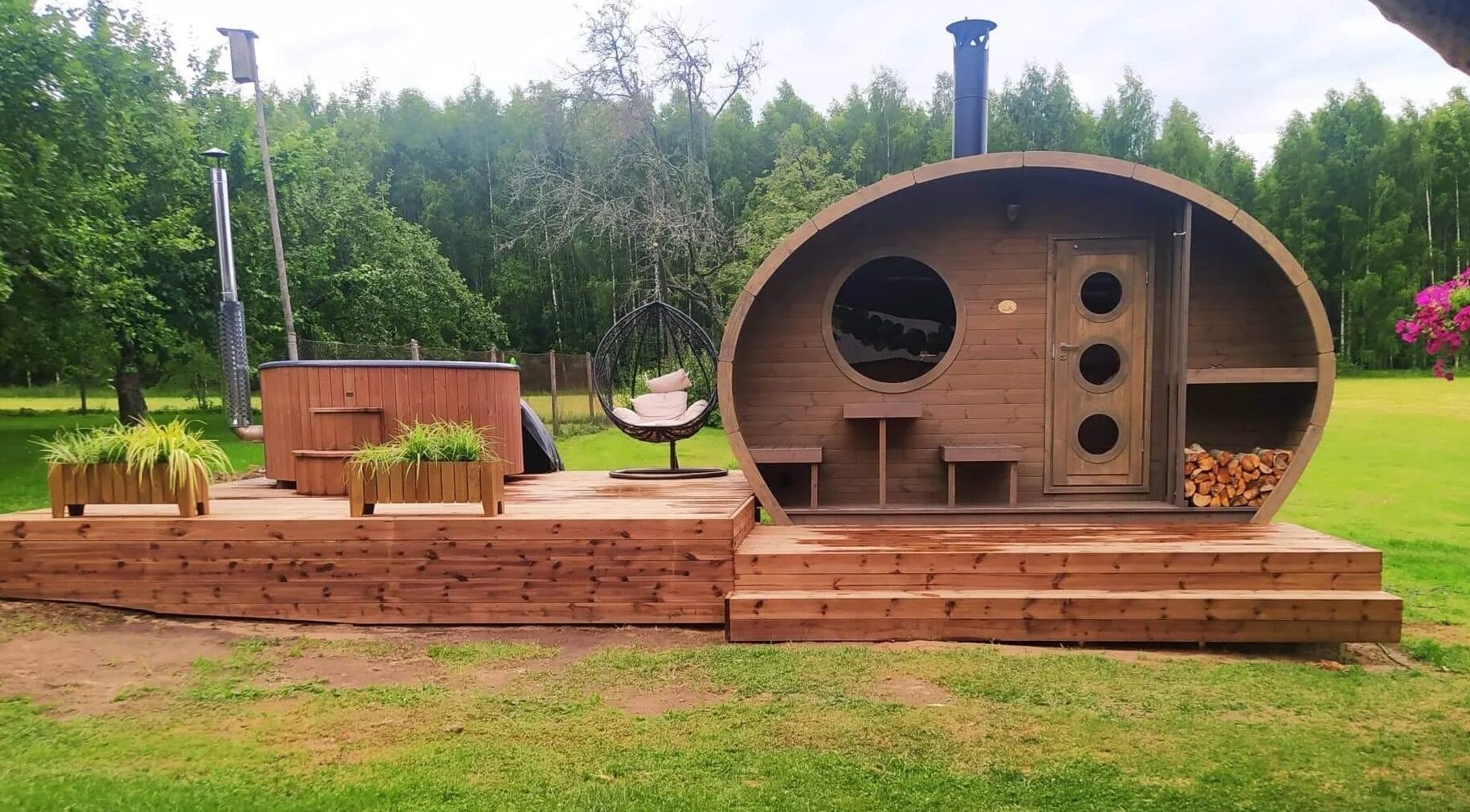
The first step is deciding where the sauna will be placed. Indoor saunas are often installed in bathrooms, basements, or spare rooms, while outdoor saunas can be built in gardens or terraces. Each option has unique requirements. Indoor installations demand proper ventilation and moisture control, while outdoor saunas must be weather-resistant and securely constructed.
When planning Sauna Installation, think carefully about accessibility, privacy, and how the sauna will integrate with your lifestyle. A poorly chosen location can lead to issues with dampness, structural damage, or limited use.
Choosing the Right Type of Sauna
Traditional Finnish Sauna
Heated by wood stoves or electric heaters, these saunas use high temperatures and low humidity. They are ideal for those who enjoy intense heat and the ritual of pouring water over hot stones.
Infrared Sauna
Infrared panels heat the body directly rather than the air. They operate at lower temperatures, making them more comfortable for beginners and those sensitive to extreme heat.
Steam Sauna
Steam rooms use high humidity and moderate heat. They are excellent for skin health and respiratory benefits but require robust waterproofing and drainage systems.
Practical Considerations Before Installation
Electrical Requirements
Most saunas need a dedicated electrical circuit. Professional installation is recommended to ensure compliance with safety standards and avoid overloading household wiring.
Ventilation
Proper airflow prevents mould and ensures comfort. Indoor saunas must be ventilated to avoid moisture build-up, while outdoor saunas should be designed to withstand varying weather conditions.
Safety Features
Temperature controls, timers, and emergency shut-off switches are essential. These features protect users and prolong the life of the sauna.
Bullet Point Checklist: Key Preparations

- Decide on indoor or outdoor placement
- Ensure adequate space and privacy
- Choose between traditional, infrared, or steam sauna
- Check electrical capacity and wiring requirements
- Plan for ventilation and moisture control
- Install safety features such as timers and shut-off switches
- Budget for ongoing maintenance and energy costs
Costs and Budgeting
Sauna installation costs vary widely depending on type, size, and location. Infrared saunas are generally more affordable, while traditional Finnish saunas may require more extensive construction. Beyond the initial purchase, factor in electricity usage, maintenance, and potential repairs. A realistic budget ensures the sauna remains a pleasure rather than a financial burden.
Health and Lifestyle Benefits
Saunas are associated with numerous health benefits, including improved circulation, stress relief, muscle recovery, and detoxification. They can also enhance sleep quality and provide a calming space for mindfulness. However, it is important to use saunas responsibly, staying hydrated and limiting sessions to safe durations.
Working with Professionals
While DIY kits are available, professional installation offers peace of mind. Experts ensure compliance with building regulations, electrical safety, and proper ventilation. They can also advise on the best type of sauna for your home and lifestyle. Investing in professional guidance reduces risks and maximises long-term satisfaction.
Maintenance and Care
Regular cleaning, checking electrical components, and monitoring ventilation are essential for safe operation. Wooden interiors should be treated appropriately, and heaters or infrared panels inspected periodically. Proper care extends the life of the sauna and ensures it remains a safe and enjoyable space.
Conclusion
Installing a sauna at home is a rewarding project that combines luxury with health benefits. Success depends on careful planning, from choosing the right type and location to ensuring electrical safety and ventilation. Professional installation is often the best route, and ongoing maintenance is vital for long-term enjoyment.
Ultimately, it is about creating a space that enhances wellbeing, fits seamlessly into your home, and provides relaxation for years to come. With thoughtful preparation and the right support, a home sauna can be one of the most valuable investments in personal comfort and lifestyle.